
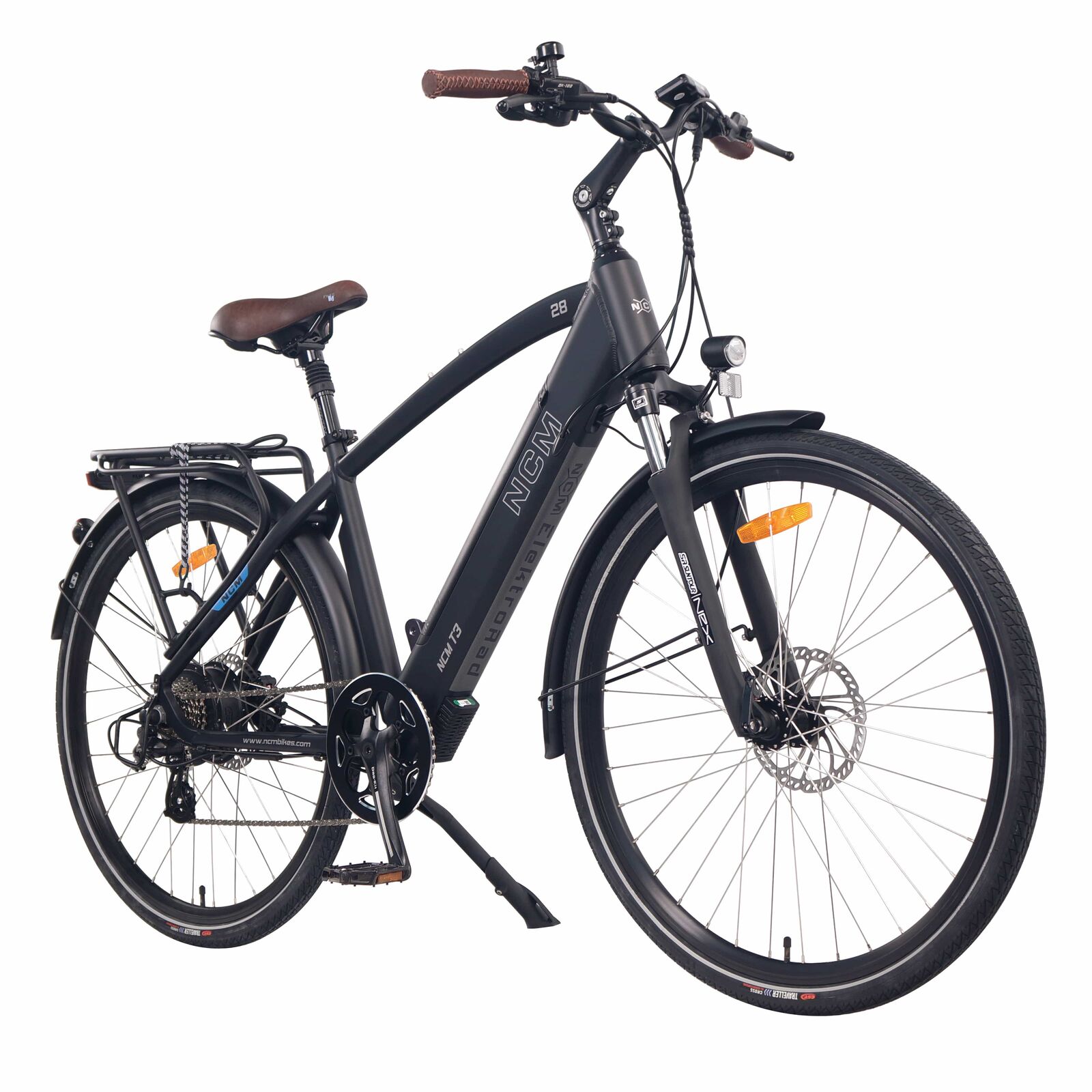
Search e-bikes and you will trip over Class 1, Class 2 and Class 3 constantly. It is worth understanding, because a lot of imported bikes are described that way, but it is a United States system, and Australia does not use it. Buying to the wrong rulebook is how people end up with a bike they cannot legally ride.
What the US classes mean
- Class 1: pedal-assist only, no throttle, motor cuts out at 20 mph (about 32 km/h)
- Class 2: has a throttle, still cuts out at 20 mph
- Class 3: pedal-assist only, cuts out at a faster 28 mph (about 45 km/h)
Why none of that is the Australian rule
Australia does not recognise the class system. Our road-legal standard is the EN 15194 pedelec: a motor rated to 250W of continuous power, assistance only while you pedal, and assistance that cuts out at 25 km/h. A throttle is only legal up to 6 km/h walking pace. So a US Class 2 or Class 3 bike, legal in parts of America, is not road legal here: the throttle, the power or the 28 mph cutoff all fall outside our rules.
What to check instead
Ignore the class label and check the three numbers that matter in Australia: 250W continuous, 25 km/h cutoff, and throttle limited to 6 km/h. If a bike meets those, it is road legal here whatever an overseas listing calls it. If it does not, it is an off-road machine or a motorbike, whatever class it claims.