
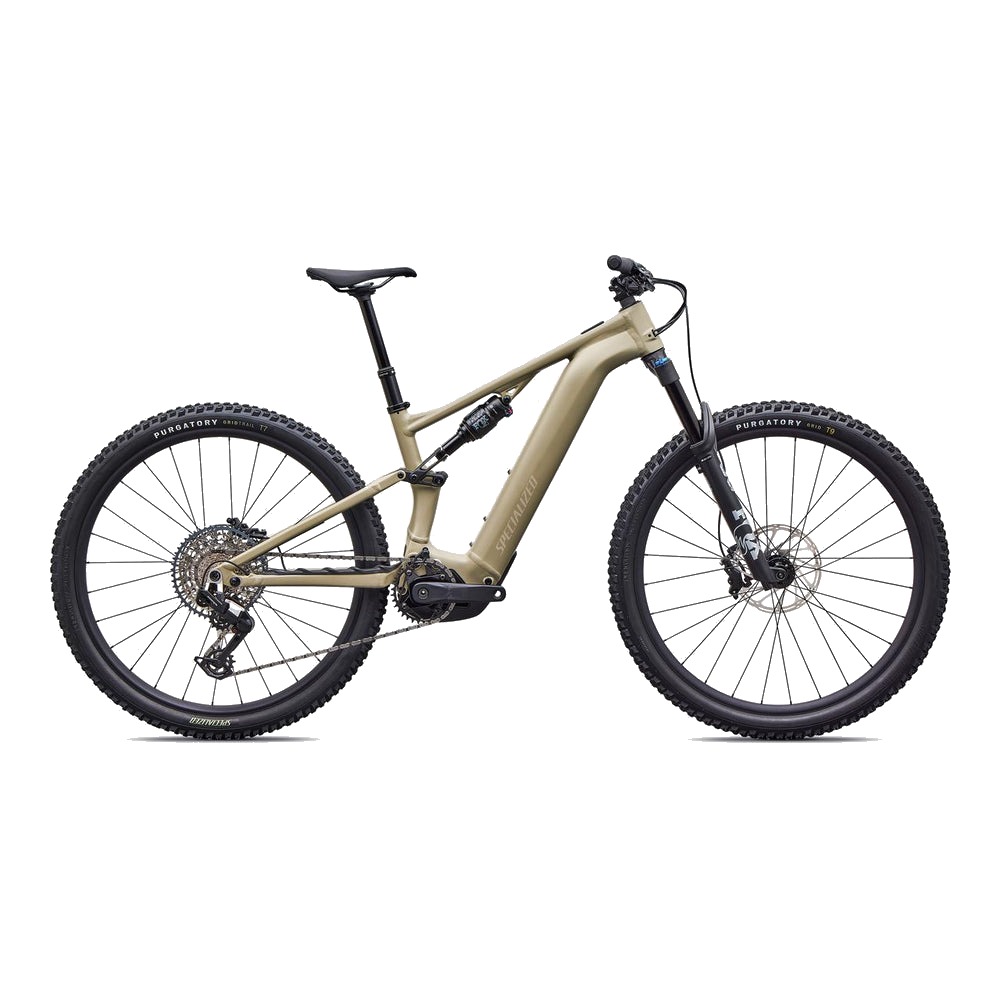
Every e-bike feels great on the flat. Hills are where the differences show up. If your commute or your suburb involves real climbs, a few specs decide whether the bike floats up or struggles.
Mid-drive beats hub-drive on hills
The single biggest factor is motor position. A mid-drive motor sits at the pedals and drives the chain, so it works through the bike's gears, exactly like your legs do. Drop to a low gear on a climb and both you and the motor get a mechanical advantage. A hub motor drives the wheel directly at a fixed ratio, so it cannot use the gears and runs out of puff on steep or sustained hills.
Torque matters more than watts
Every legal e-bike here is 250W, so power is not the differentiator. Torque, measured in newton metres (Nm), is. Torque is the twisting force that gets you moving and up gradients. For serious hills look for 65 Nm or more; the strongest mid-drives reach 85 to 95 Nm. A high torque figure on a mid-drive is the real climbing spec.
Gearing and weight
A good spread of gears lets you keep a comfortable pedalling cadence on a climb, which keeps the motor in its efficient zone. Weight works against you on hills too, so a lighter bike with the same torque climbs better. It all points the same way: a mid-drive with strong torque and proper gears.