
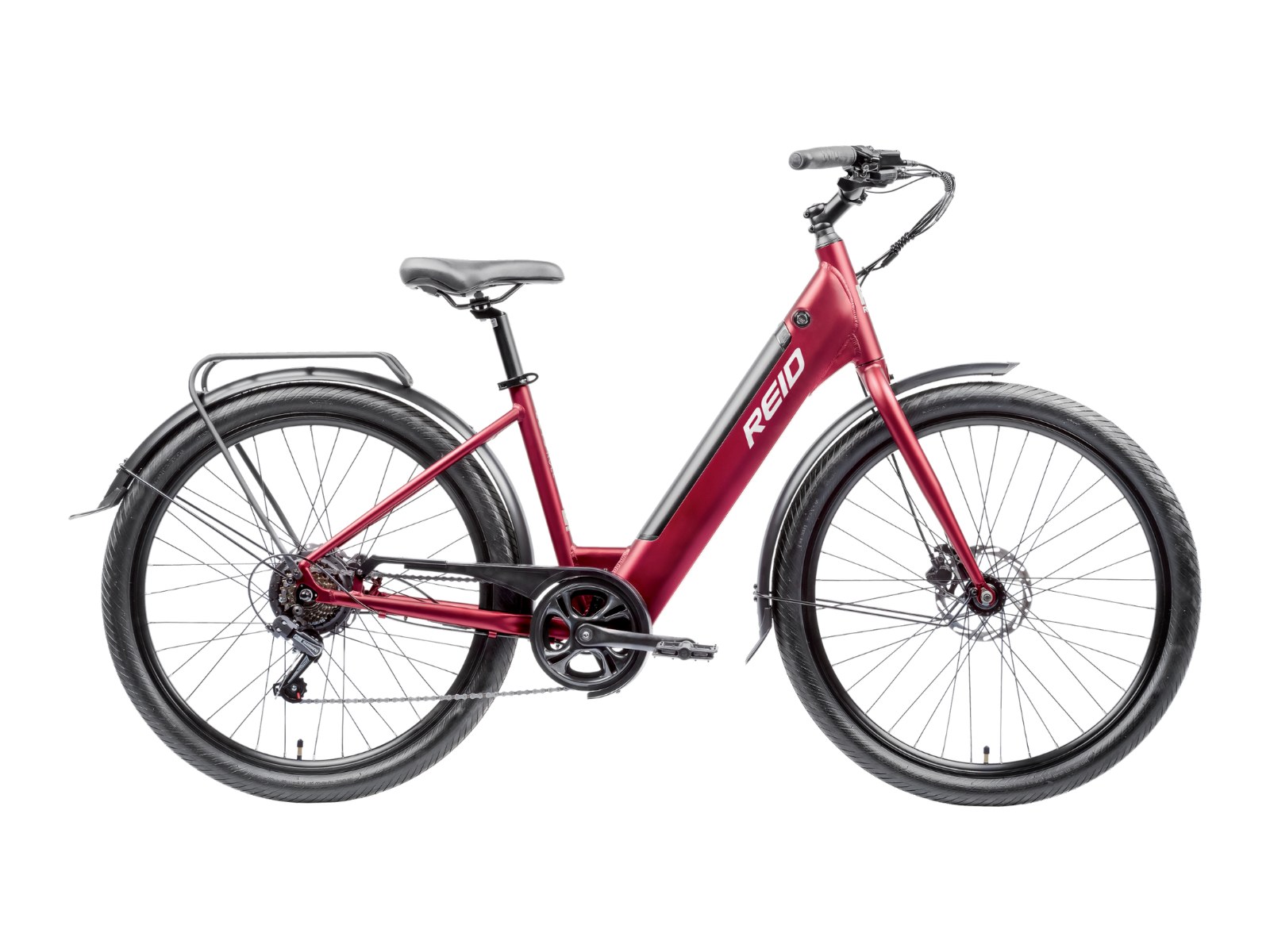
It is one of the most-searched e-bike questions, and the good news for most buyers is simple: a road-legal e-bike needs no registration, no licence and no compulsory insurance in Australia. But there are two things worth knowing, one new, and one that catches people who buy the wrong machine.
A compliant e-bike: nothing required
If your e-bike meets the standard, a 250W pedal-assist motor that cuts out at 25 km/h, with any throttle limited to 6 km/h, then it is legally a bicycle. That means no registration, no licence and no compulsory third-party insurance to ride it on roads and paths, the same as a normal pushbike. A helmet is still mandatory everywhere.
The Queensland exception (new)
Queensland is the one to watch. From 31 August 2026, riders there must be at least 16 and hold at least a learner driver licence to ride an e-bike or e-scooter on their own, with supervision rules for younger riders. This is a licence to ride, not vehicle registration, and it applies to the rider, not the bike. No other state currently requires a licence for a compliant e-bike, but rules are changing quickly, so confirm your own state before you rely on this.
When it becomes a motorbike
The moment a bike exceeds the limits, a throttle that drives it past 6 km/h, more than 250W, or assistance past 25 km/h, it stops being a bicycle and becomes a motor vehicle. Now the full set applies: registration, a motorcycle licence, and compulsory insurance. The catch is that most high-power electric dirt bikes cannot actually be registered, because they are not built to the Australian Design Rules, which is why they are off-road only in practice.
- Compliant 250W e-bike: no rego, no licence, no compulsory insurance (helmet required; in Queensland, rider must be 16-plus and licensed from 31 August 2026)
- High-power or throttle e-moto: needs rego, licence and insurance, but usually cannot be registered, so it is private-land only
- Optional insurance: not required, but personal or third-party cover is worth considering for any e-bike