
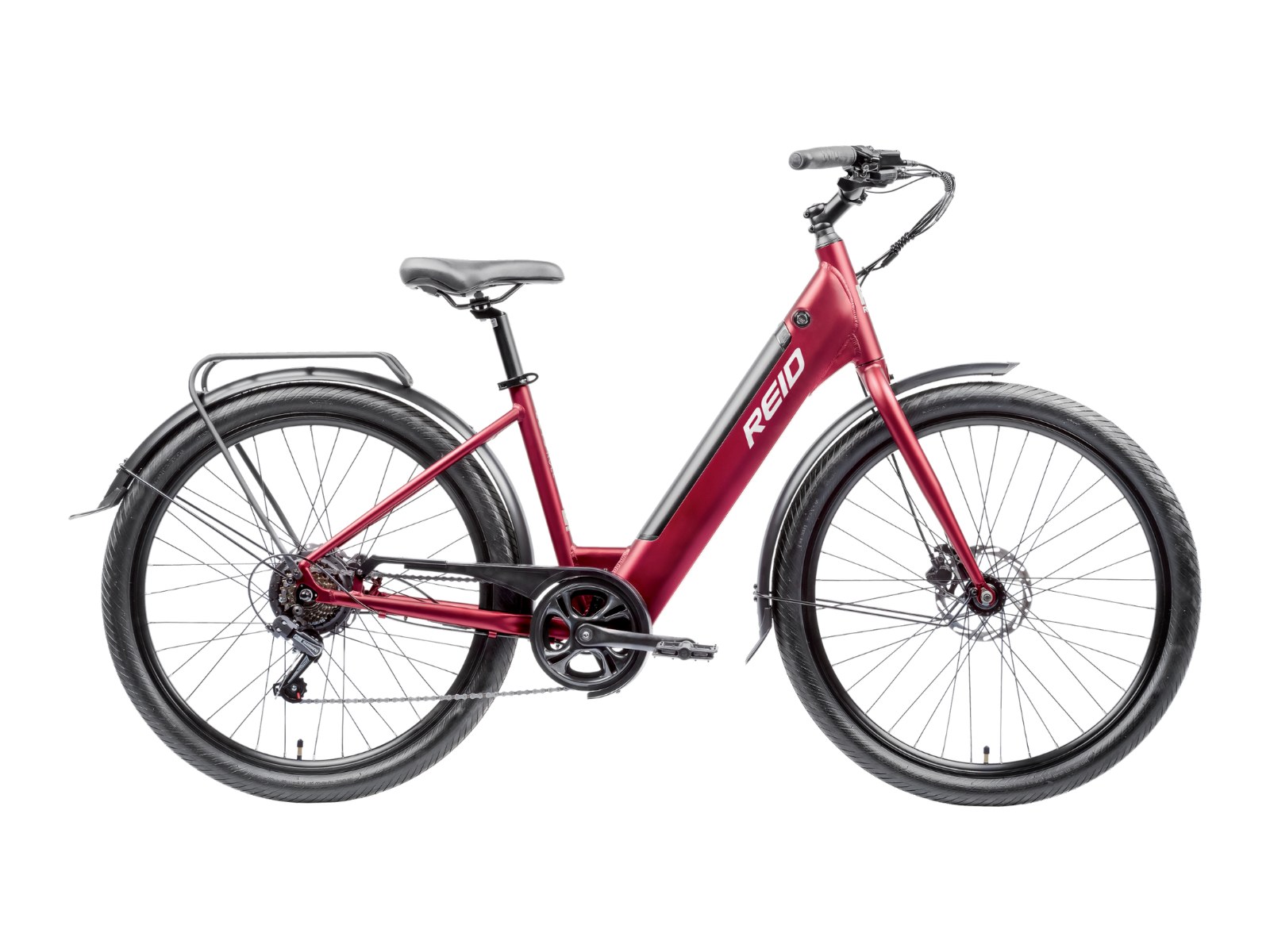
An e-bike and an e-scooter both replace short car trips, but they suit different people. The right choice comes down to distance, comfort, storage and, more than anything in Australia, the law where you live.
Range and comfort
E-bikes win comfortably here. Bigger batteries mean 40 to 100 km of range against a typical 20 to 40 km for a scooter, and full-size wheels, a saddle and suspension make longer rides far more comfortable. An e-scooter is built for short, flat hops, not a 20 km commute.
Portability and storage
This is where scooters win. Most fold small and light enough to carry onto a train or under a desk. An e-bike is heavier and bulkier, though a folding e-bike narrows the gap. If your trip mixes public transport with riding, a scooter or a folder is worth a hard look.
The legal difference that decides it
This is the big one. A compliant 250W e-bike is legal on roads and paths across Australia, treated as a bicycle. Private e-scooters are more restricted: the rules vary a lot by state, and in several places privately owned e-scooters still cannot be used on public roads or paths at all, even where hire schemes operate. Before you buy a scooter to commute on, check whether you can legally ride your own one where you live.
Cost
Entry e-scooters are cheaper upfront, from a few hundred dollars, while e-bikes start around $1,000. But an e-bike holds up better over years of daily use, and neither needs registration, fuel or insurance if it is compliant. Over the life of the vehicle the gap narrows.