
The cheapest ride tracking setup is the phone already in your pocket and a 30 dollar mount. The question is not whether that works, it does, but where it stops working, and whether you ride past that point. Here is the honest comparison.
Where the phone mount wins
- Cost: a decent quad-lock style mount is 30 to 60 dollars against 185 dollars and up for a computer worth owning
- Maps: phone navigation is better than any bike computer at any price, with live traffic and rerouting
- One device: no second thing to charge, update or lose
- Casual riding: for short commutes and weekend loops, a phone records everything Strava needs
Where the phone setup falls apart
- Battery: GPS tracking with the screen on can flatten a phone in two to three hours, and then you have no phone
- Sun: phone screens wash out at midday; bike computer screens are transflective and get clearer in direct light
- Vibration and weather: phones are not built for bar vibration, rain or a drop at speed, and repair costs are phone-sized
- Heat: phones in direct summer sun throttle or shut down; a common Australian failure mode
- Sensors: pairing heart rate, cadence, power and radar is native on a computer and clumsy on a phone
The crossover point
The pattern from our testing and from independent reviews is consistent. Under about an hour of riding, in mild weather, with no sensors, the phone is genuinely fine and the extra spend is hard to justify. Past two hours, in summer, or the day you buy your first heart rate strap, the phone setup starts costing you: in battery anxiety, in unreadable screens, in a 1,500 dollar device strapped to a vibrating bar.
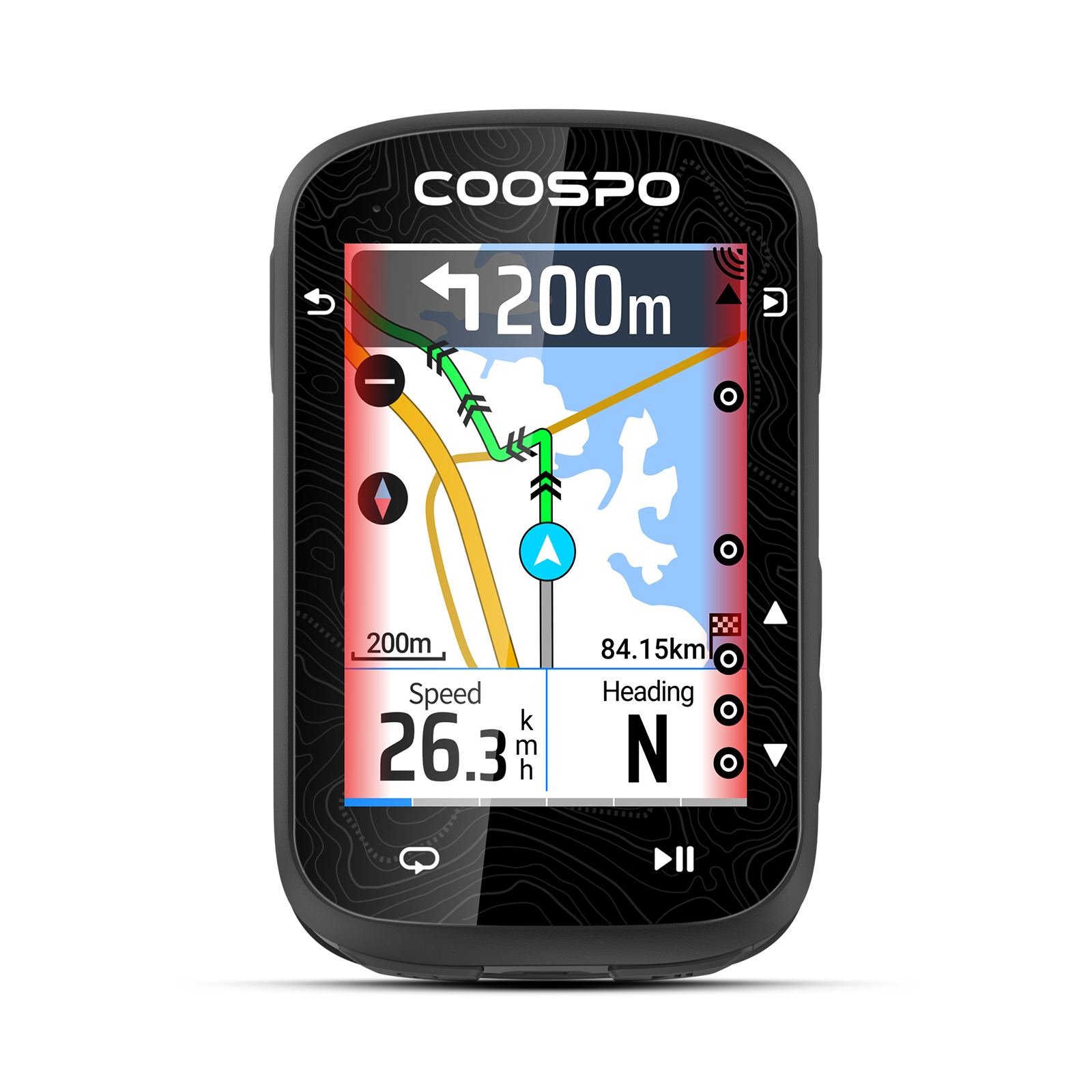
The budget end of dedicated computers has also removed most of the price excuse. The Coospo CS600 we tested runs a colour touchscreen and a genuinely confirmed 36 hour battery for about 185 dollars delivered, which is the cost of a good phone mount plus one cracked screen repair, minus the repair.
The verdict
Short rides, mild weather, no sensors: buy the mount, keep the money. Longer rides, hot days, any interest in training data: a dedicated computer stops being a gadget and starts being the cheaper option over a year of riding. Most riders end up running both, the computer recording every ride and the phone staying in the pocket, charged, for the day something goes wrong.