
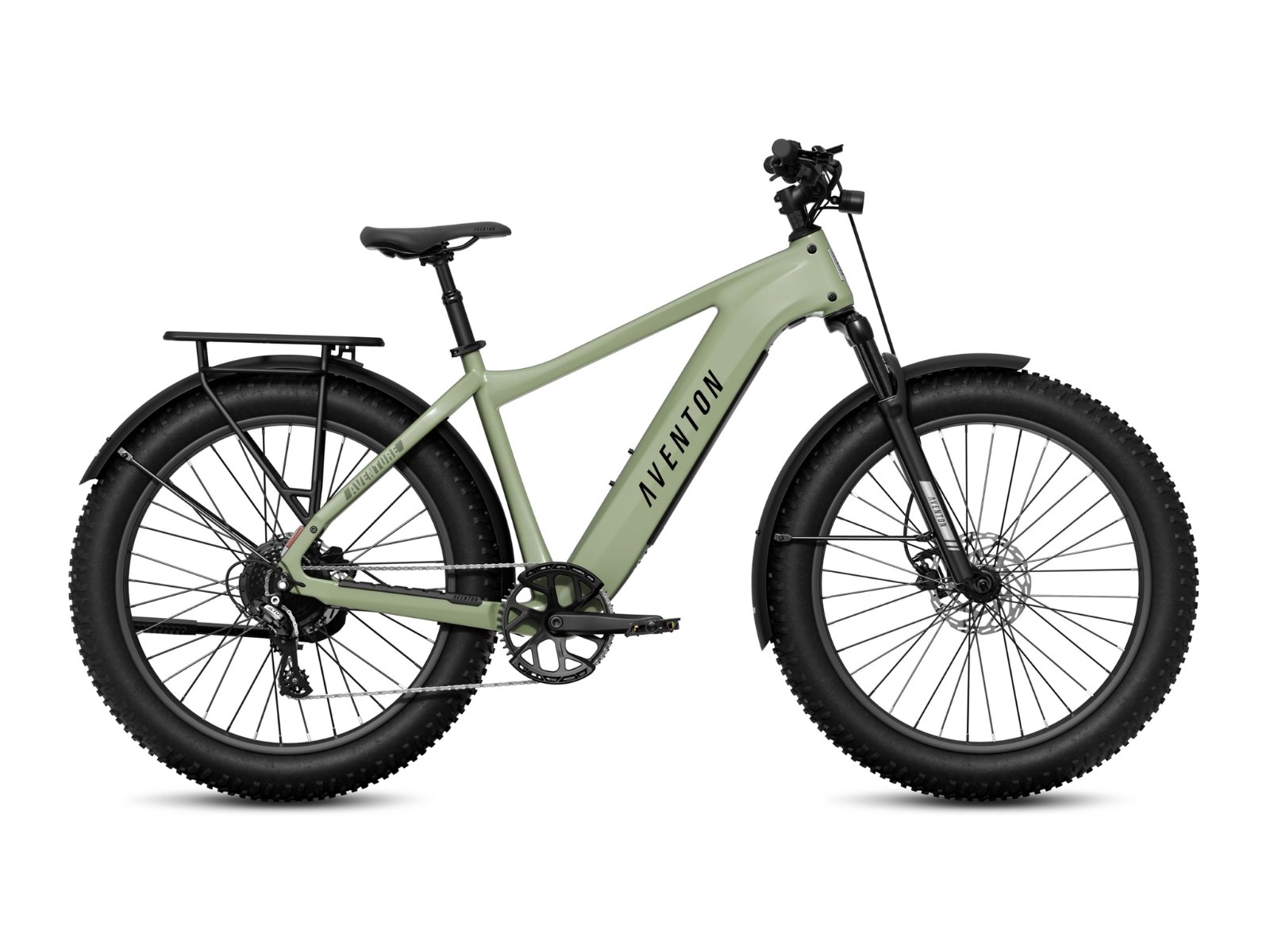
E-bike battery fires make headlines because they are dramatic, but the risk is manageable. The fires that happen almost always trace back to a cheap or damaged battery, the wrong charger, or charging in a way that leaves no escape if something goes wrong. Get a few habits right and a quality battery is very safe.
Why lithium batteries fail
A lithium battery stores a lot of energy in a small space. If a cell is damaged, poorly made, overheated or overcharged, it can enter thermal runaway, where it heats itself uncontrollably and can catch fire or vent. The trigger is usually physical damage, a fault in a low-quality pack, or charging with a mismatched charger, not normal use of a good battery.
Safe charging, the rules that matter
- Use only the charger supplied with the bike, or the manufacturer's exact replacement. A mismatched charger is a common cause of fires
- Charge where you can see it and where it does not block your exit. Not in the hallway by the front door, not across the only stairwell
- Do not charge unattended overnight while you sleep. Charge during the day when you are awake and around
- Charge at room temperature, not straight after a hot ride and not in freezing cold. Let the battery settle first
- Unplug when full. You do not need to leave it on charge for hours after it reaches 100 percent
Storage and handling
Store the battery somewhere cool and dry, ideally around half to two-thirds charge for long periods, not flat and not full. Keep it away from heat, direct sun and anything flammable. Do not use a battery that has been dropped hard, crushed, or soaked, and never try to open or repair a pack yourself.
The warning signs to act on
Stop using and safely isolate a battery that is swelling or bulging, giving off a strange smell, getting unusually hot, making a hissing or popping noise, or leaking. If a battery is venting or smoking, get people away and call emergency services. Do not try to move a battery that is actively failing.
The real fix is buying a safe battery
The single biggest thing you can do is buy a bike with a quality, certified battery from a reputable brand in the first place. A compliant e-bike built to the EN 15194 standard has a battery management system and cell quality that cheap grey-market packs do not. That is another reason the compliance status on every listing matters, and why the cheapest no-name battery is a false economy.