
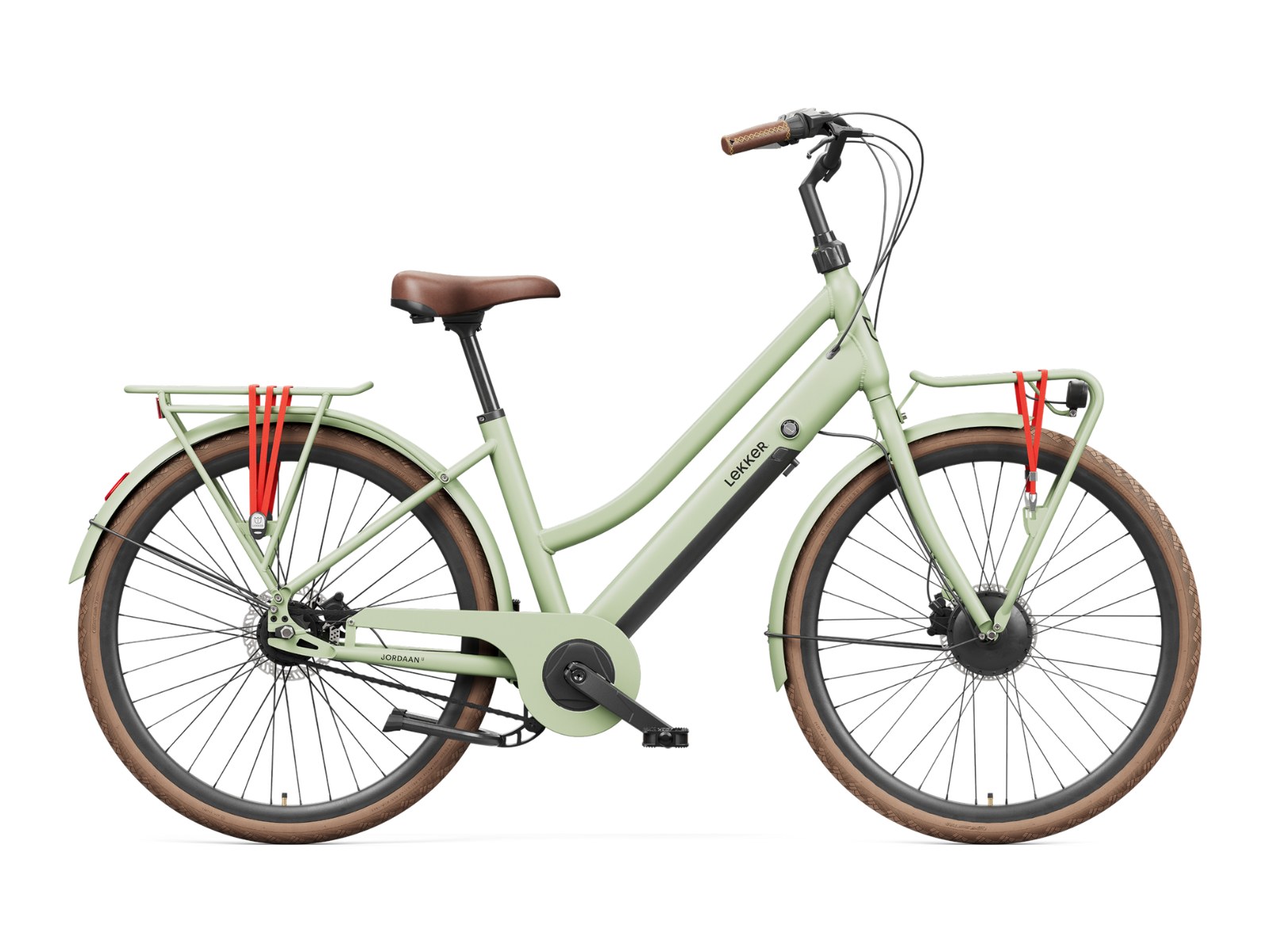
Prices checked 21 October 2026, across 624 pedal-assist e-bikes in the eBikeFinder directory. The short answer: the cheapest road-legal e-bike in stock today costs $1,299, a well-equipped everyday commuter costs $2,500 to $4,500, and premium bikes run well past $10,000. Sale prices are used where a bike is on sale, so some figures move when sales end.
E-bike price bands at a glance
- Under $2,000 (63 bikes listed): hub motor, simpler parts, shorter range. Fine for flat commutes and short trips. Trade-off: less hill power, heavier frames, and the most compliance risk at the very bottom of the market. Cheapest road-legal in stock today: Fiido C21 E-Gravel and the Reid Let's Roll Step-Through eBike, from $1,299
- $2,000 to $5,000 (240 bikes): the sweet spot. Better batteries and brakes, step-through commuters with racks and lights, and the first mid-drives that climb properly. Trade-off: most bikes here are still hub motors, so check torque if you live in the hills
- $5,000 and up (321 bikes): premium motors from Bosch, Shimano and similar, lighter frames, dealer support and longer warranties. Trade-off: you are paying for refinement and support, not speed, because every road-legal e-bike stops assisting at 25 km/h
Typical price by type of e-bike
These are median prices in the directory, so half the bikes of each type cost less and half cost more. The from price is the cheapest bike of that type that is in stock and road legal today.
- Folding e-bikes: about $2,200 (from $1,399)
- Fat tyre e-bikes: about $2,600 (from $1,899)
- Commuter and city e-bikes: about $3,500 (from $1,299)
- Hardtail and trail electric mountain bikes: about $8,000 (from $1,499)
- Cargo e-bikes: about $7,000 (from $2,599)
- Enduro electric mountain bikes: about $11,000 (from $4,799)
Under $2,000: the entry point
There are 63 pedal-assist e-bikes at or under $2,000 in the directory. Expect a hub motor, simpler components and shorter range, which is fine for flat commutes and short trips. Folding bikes, city step-throughs and a few entry mountain bikes live here. Several only reach this price on sale, so check the regular price too. Below about $1,300 most of what you find online is a throttle bike that does not meet the 250W, 25 km/h rules, so check compliance before you buy. Our under $2,000 shortlist only includes bikes that are in stock and road legal today.
$2,000 to $5,000: the sweet spot
This is where most riders should shop, with 240 bikes across the band. It covers quality step-through commuters, the first genuinely good mid-drive bikes that climb hills properly, capable cargo haulers and entry full-suspension mountain bikes. A well-equipped commuter sits around $2,500 to $4,500.
$5,000 and up: premium and specialist
321 bikes sit above $5,000, because this is where the big bike brands live. Above $5,000 you are paying for premium motors, lighter frames, longer warranties and dealer support, not speed: a road-legal e-bike is capped at 25 km/h whatever it costs. Family cargo bikes and carbon electric mountain bikes run from about $7,000 to past $20,000.
Hub motor or mid-drive: the biggest price driver
The motor decides the price more than anything else. In the directory the typical hub-motor e-bike costs about $2,500 and the typical mid-drive about $7,700. Mid-drives drive through the gears, so they climb better and feel more natural, which is why they dominate mountain and cargo bikes. For flat commuting a hub motor does the job for a fraction of the money.
What about electric dirt bikes?
Electric dirt bikes like Sur-Ron, Talaria and Arctic Leopard are not e-bikes under Australian law and are off-road only. Prices run from around $3,990 for a Sur-Ron Hyper Bee, through about $5,000 to $7,500 for full-size bikes from Talaria and Sur-Ron, to over $14,000 for the biggest Arctic Leopard.
The running costs are the good news
Whatever you pay upfront, an e-bike is cheap to run. A full charge costs a few cents of electricity, there is no registration, insurance or fuel for a road-legal e-bike, and servicing is a normal bike service plus the occasional electrical check. Budget for a replacement battery after several years of regular use. Against the cost of running a car for the same trips, even a premium e-bike can pay for itself quickly if it replaces real driving.
Frequently asked questions
How much does an e-bike cost in Australia?
Road-legal e-bikes in stock start at $1,299. A good everyday commuter costs $2,500 to $4,500, and premium cargo and electric mountain bikes run from about $7,000 to past $20,000. Across the 624 pedal-assist e-bikes we priced on 21 October 2026, the typical hub-motor bike cost about $2,500 and the typical mid-drive about $7,700.
What is the cheapest road-legal e-bike?
When we checked on 21 October 2026, the cheapest road-legal e-bikes in stock in the directory were the Fiido C21 E-Gravel and the Reid Let's Roll Step-Through eBike, from $1,299. Cheaper bikes exist online, but most are throttle bikes that do not meet Australia's 250W and 25 km/h rules.
Why are some e-bikes so expensive?
Mostly the motor and frame. Mid-drive motors from Bosch, Shimano and similar cost far more than hub motors, and carbon frames, big batteries, quality suspension and dealer support add more. A dearer e-bike is not faster: road-legal e-bikes are all limited to 25 km/h.
How much is a good e-bike for commuting?
Around $2,500 to $4,500 buys a well-equipped commuter with lights, mudguards and a rack. Hilly commutes favour a mid-drive, which usually pushes the price towards the top of that range.
How much does it cost to run an e-bike?
Very little. A full charge costs a few cents of electricity, road-legal e-bikes need no registration or fuel, and servicing is a normal bike service. The biggest long-term cost is an eventual replacement battery.