A fat tyre e-bike is defined by one thing: tyres roughly 3.8 to 4.8 inches wide, run at low pressure. That single change is why the category exists, and it comes with real trade-offs against a standard commuter tyre.
What the wide tyre actually buys you
- Traction and float on sand, snow, mud and loose gravel, where a narrow tyre would sink or slip
- A softer ride over rough surfaces, since the low-pressure tyre absorbs bumps a standard tyre would transmit
- More stability at low speed, useful for less confident riders
- More rolling resistance than a narrow tyre, which costs range and top speed on sealed roads
- Extra weight, both in the tyre and the wider rim and fork it needs, which makes the bike harder to carry or lift
What is on sale in Australia
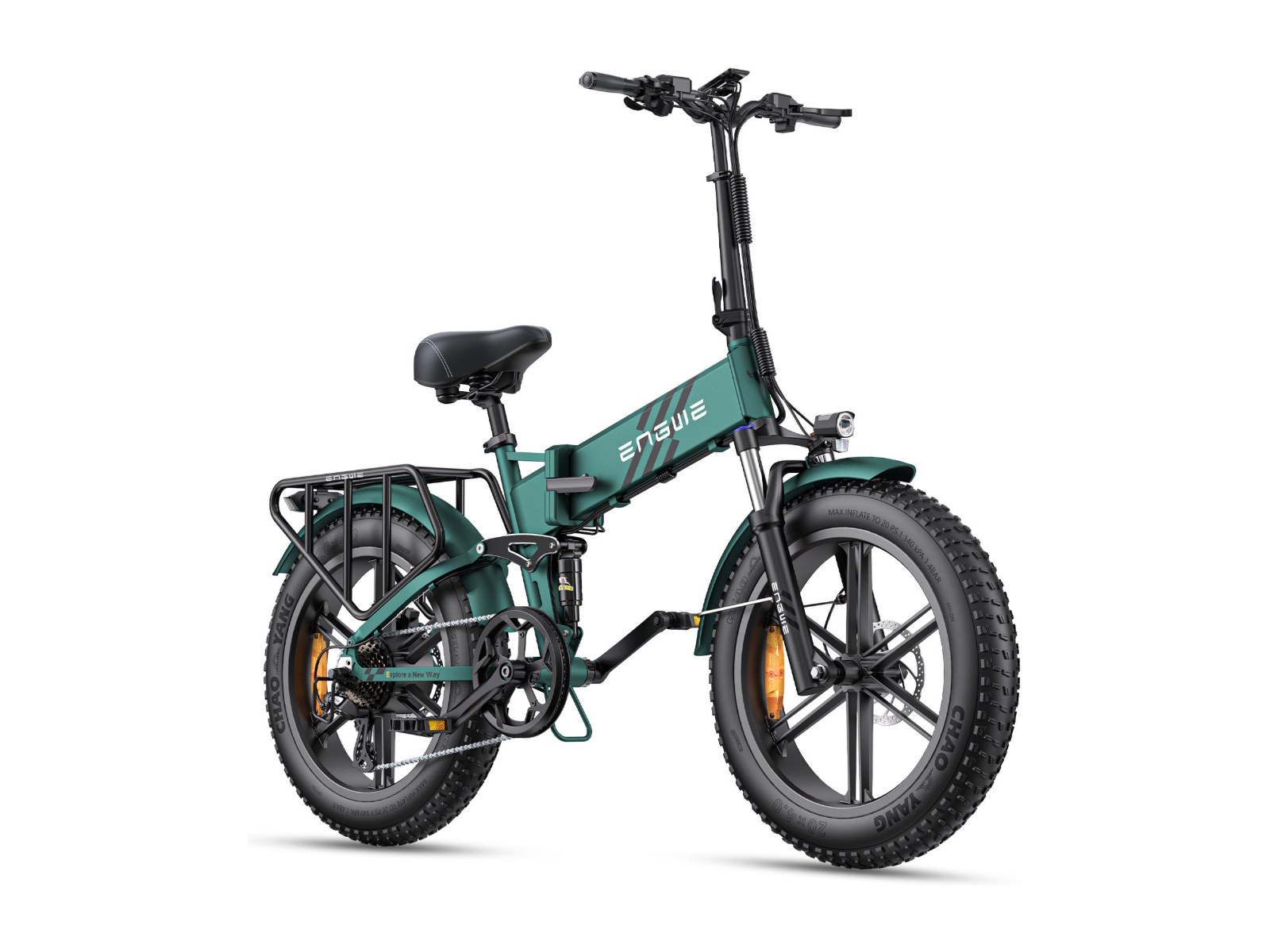
43 fat tyre e-bikes are currently listed in the eBikeFinder directory, from $1,699 to $4,949. When this guide was written, ENGWE's Engine Pro 2.0 was among the cheapest at $1,699, with a 624Wh battery and a 50 to 90km range band. DiroDi's Rover Gen 6 ($2,482) and ENGWE's E26 ($2,599) sit in the middle, both with large batteries (960Wh and 768Wh) aimed at long, low-speed rides rather than fast commuting.
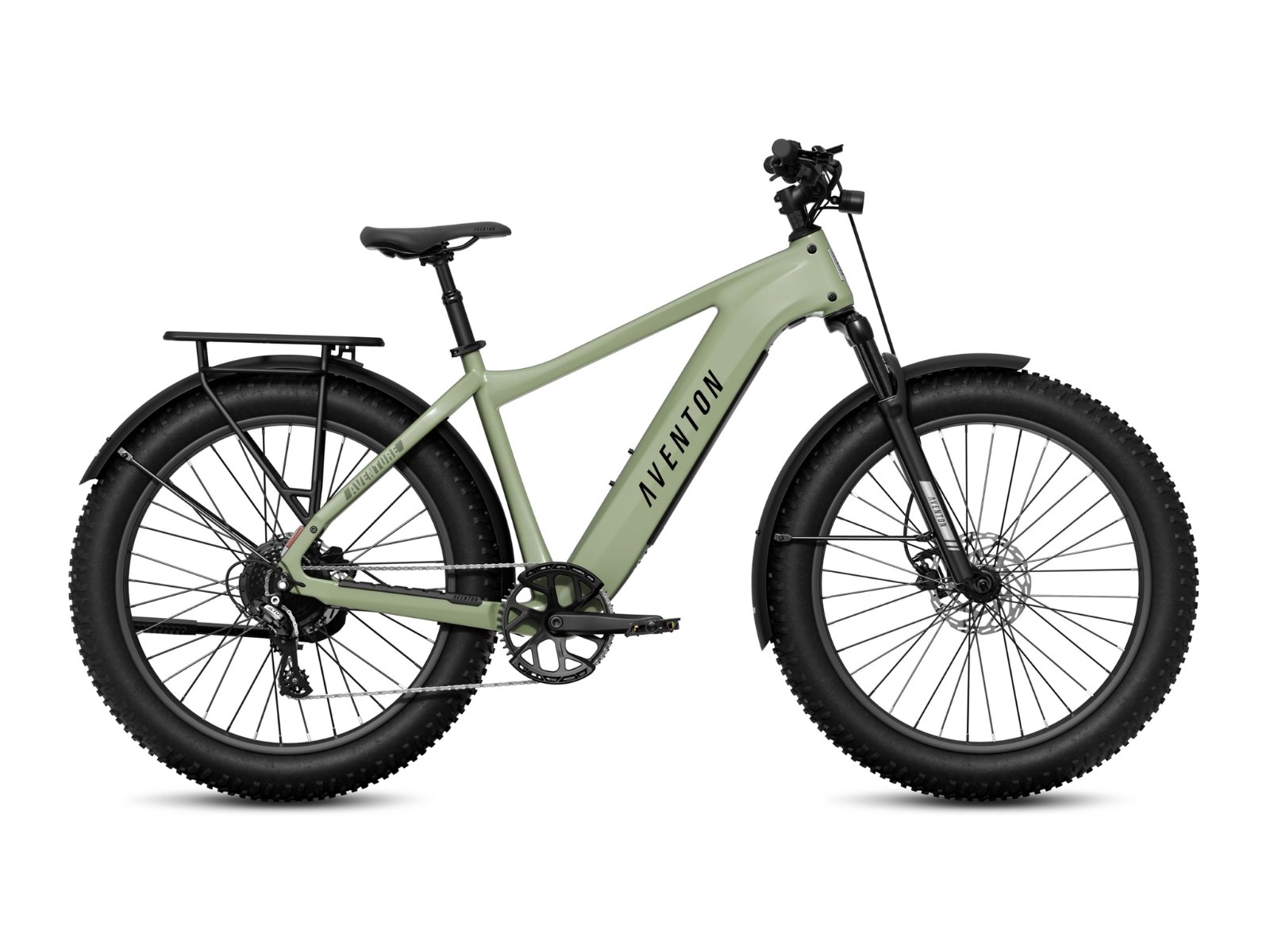
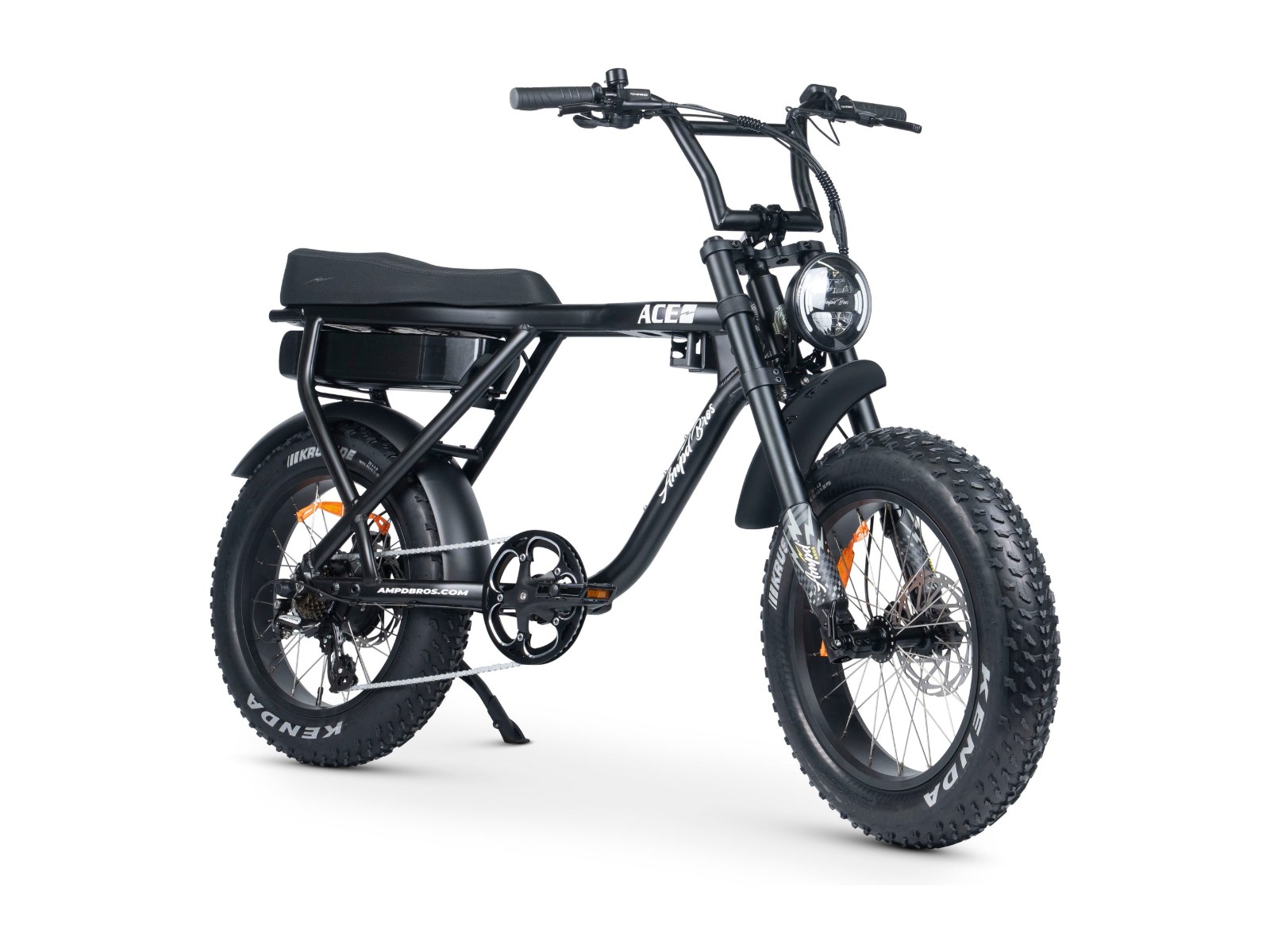
VelectriX's SUV ($2,599) and Aventon's Aventure 3 ($2,899) are both aimed more at recreational, all-terrain riding than pure off-grid touring. At the top of the category, AMPD Bros' Ace-X Plus ($5,499) is the only fat tyre bike in the directory with a verified (not just brand-claimed) compliance check, and carries the highest motor torque figure (80Nm) in the category.
Who actually needs one
If most of your riding is sealed bike paths and roads, a fat tyre bike is mostly extra weight and rolling resistance for no benefit. It earns its place if you regularly ride sand, snow, loose gravel or unmaintained tracks, or simply want the stability and comfort of a wider, softer tyre regardless of terrain.