
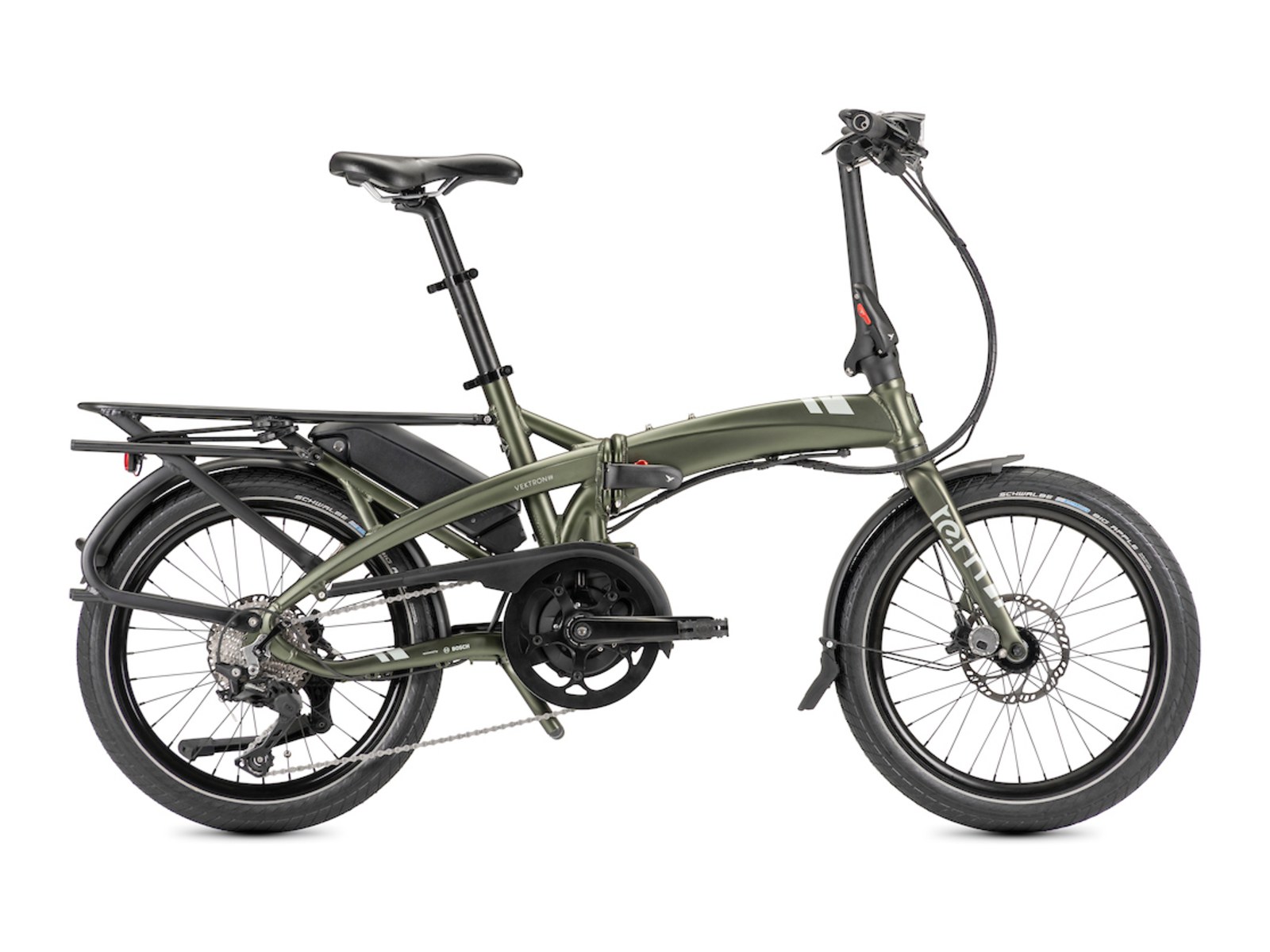
Getting an e-bike to the trail, the coast or the shops often means putting it on a car, and this is where the extra weight of an e-bike matters. A rack that happily carries two normal bikes may not be rated for one e-bike. A few checks save you a damaged rack or a bike on the motorway.
Weight is the number that matters
A typical e-bike weighs 22 to 35 kg, some cargo and off-road bikes more. Every bike rack has a per-bike weight limit, and many lightweight boot and roof racks are rated well below an e-bike's weight. Check the rack's per-bike rating against your actual bike before anything else.
Choose the right type of rack
- A towball or hitch-mounted platform rack is the best choice for e-bikes: it sits low, is easy to load, and the good ones are rated for e-bike weight, often with a ramp
- Boot-strap racks are convenient but usually not rated for e-bike weight and can be unstable; check carefully
- Roof racks are a poor fit: lifting a 30 kg bike overhead is hard and risky, and it wrecks fuel economy and clearance
Take the battery off, and check your limits
Remove the battery before transport where you can. It drops 2 to 4 kg off the load, protects an expensive part from road grime and vibration, and reduces the risk if there is a bump. Carry the battery inside the car. Also check your car's towball download limit and the rack's combined limit, and make sure the rack does not obscure your numberplate or lights, which is a legal requirement.