
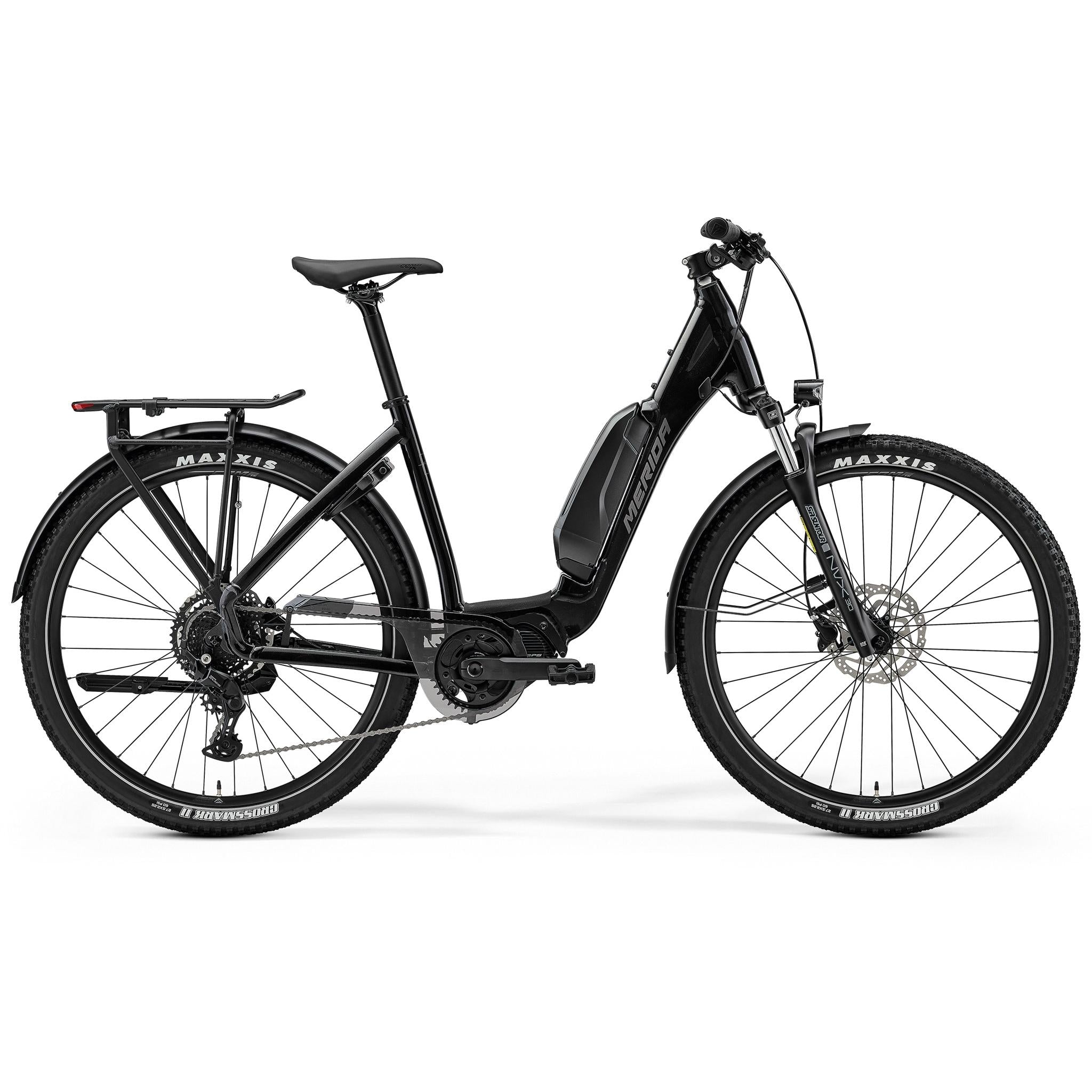
An e-bike needs everything a standard bicycle needs serviced (chain, brakes, tyres, cables, bearings) plus checks on a motor, battery and electronics a regular bike does not have. Budgeting for this ahead of time avoids an unpleasant surprise a year or two in.
What wears out faster on an e-bike
- Chain and cassette, motor assist adds load and torque to the drivetrain, which wears a chain faster than pedalling alone, especially on a mid-drive bike
- Brake pads, the extra weight of motor and battery increases braking force needed to stop, which wears pads faster than on a non-electric bike
- Tyres, particularly on hub-motor bikes where the extra unsprung weight and torque can accelerate wear
A reasonable servicing interval
Most e-bike retailers recommend a basic safety check (brakes, tyre pressure, bolt torque) every 3 to 6 months for a regularly ridden bike, and a full service (drivetrain clean and wear check, brake pad inspection, gear tuning, motor and battery diagnostic where the retailer offers one) once a year or every 1,500 to 2,000km, whichever comes first for how the bike is actually used.
What it typically costs
A basic e-bike safety check commonly runs $50 to $100 at an Australian bike shop. A full service, including labour and wear-item replacement (chain, brake pads, cables as needed) is more commonly in the $150 to $350 range, though cost varies by shop, region and how worn the bike actually is. Motor and battery diagnostics, where offered, are sometimes bundled into a full service and sometimes charged separately, worth asking about upfront.
Who to use
Motor and battery work should go to a shop authorised for that specific motor brand (Bosch, Shimano, Bafang and others each have their own authorised service networks) rather than a general bike mechanic, since diagnostic tools and warranty coverage are usually tied to that authorisation. General mechanical work, drivetrain, brakes, tyres, does not require the same restriction.